NEWBERN, Ala. Alabama Habitat hosted its "Resilient by Design & Optimized for Efficiency" Convening on September 16-17 in partnership with Auburn University's Rural Studio & The Front Porch Initiative, and with support from Carrier. The event brought together Habitat affiliate leaders, construction professionals, statewide partners, industry experts, and housing advocates from five states to explore innovative approaches to resilient housing, energy efficiency, affordability, and sustainability.
The convening welcomed leaders from across the Habitat for Humanity network, including Carmen Smith, Vice President of U.S. Affiliate Services for Habitat for Humanity International, as well as Alabama House Representative Curtis Travis, utility partners, nonprofit organizations, and experts in resilient construction, solar energy, and community development. Together, attendees examined how affordable housing can be strengthened through innovative building practices, strategic partnerships, and long-term investments in resilience.
The program began with a presentation from Rural Studio and The Front Porch Initiative, highlighting their nationally recognized work in community-centered design, sustainable rural housing, and innovative solutions that improve quality of life throughout Alabama's Black Belt. Participants also toured Rural Studio's campus and projects, gaining firsthand insight into how thoughtful design and community engagement can create lasting impact.
A featured panel discussion, Resilience Starts at Home: Weatherization, Energy Use, & the Power of Partnership, was moderated by Anita Archie, Area Manager and Assistant to the Senior Vice President at Alabama Power. Panelists included Candyce Monroe of Ed Farm, Chase Burnham of the Alabama Resiliency Fund, and Chad Garretson of Alabama Power. The discussion explored weatherization, practical energy-saving tools, and community-based education that help families reduce wasted energy, improve comfort, and better manage monthly utility costs. Panelists also highlighted successful partnership models across Alabama's Black Belt that can help strengthen resilience efforts statewide.
Solar energy's role in long-term housing affordability was highlighted by Jeff Heie, Founder of GiveSolar. His presentation, Enhancing Housing Affordability through Solar Energy, examined how solar energy solutions can reduce energy burdens for low-income homeowners while improving resilience and sustainability. Attendees learned about successful projects, strategies for overcoming policy and financial barriers, and opportunities for Habitat affiliates and community partners to expand access to solar energy.
Resilient building themes continued with Candace Wheat, Technical Outreach Specialist with Smart Home America, who presented on FORTIFIED Standards: Beyond Code Construction Benefits. Attendees learned about resilient construction practices, building codes, and the FORTIFIED Roof, Silver, and Gold designations. The session demonstrated how building beyond code can help homeowners reduce storm-related damage, lower repair costs, and potentially qualify for insurance premium savings while creating stronger and more resilient homes. Molly Berg, Sustainable Building Director for Habitat for Humanity of Minnesota, led a session titled Motive and Method: Climate Resilient Construction as Affordability. Berg emphasized that climate-resilient construction is not a luxury but a critical component of long-term housing affordability and equity. Her presentation explored practical approaches to creating energy-efficient, hazard-resilient, and healthy homes while also strengthening the sustainability of construction and repair programs for future generations.
The day's discussions concluded with a fireside chat moderated by Carmen Smith titled Common Barriers & Creative Bridges: The Road to Promising Practices. The conversation brought together Molly Berg, Jeff Heie, Candace Wheat, members of the Alabama Power panel, Mackenzie Stagg of Rural Studio and The Front Porch Initiative, and Brandon Casteller of Habitat for Humanity of Tuscaloosa. The panel explored common challenges facing affordable housing providers and identified collaborative strategies for advancing resilience, advocacy, sustainability, and housing affordability in diverse communities.
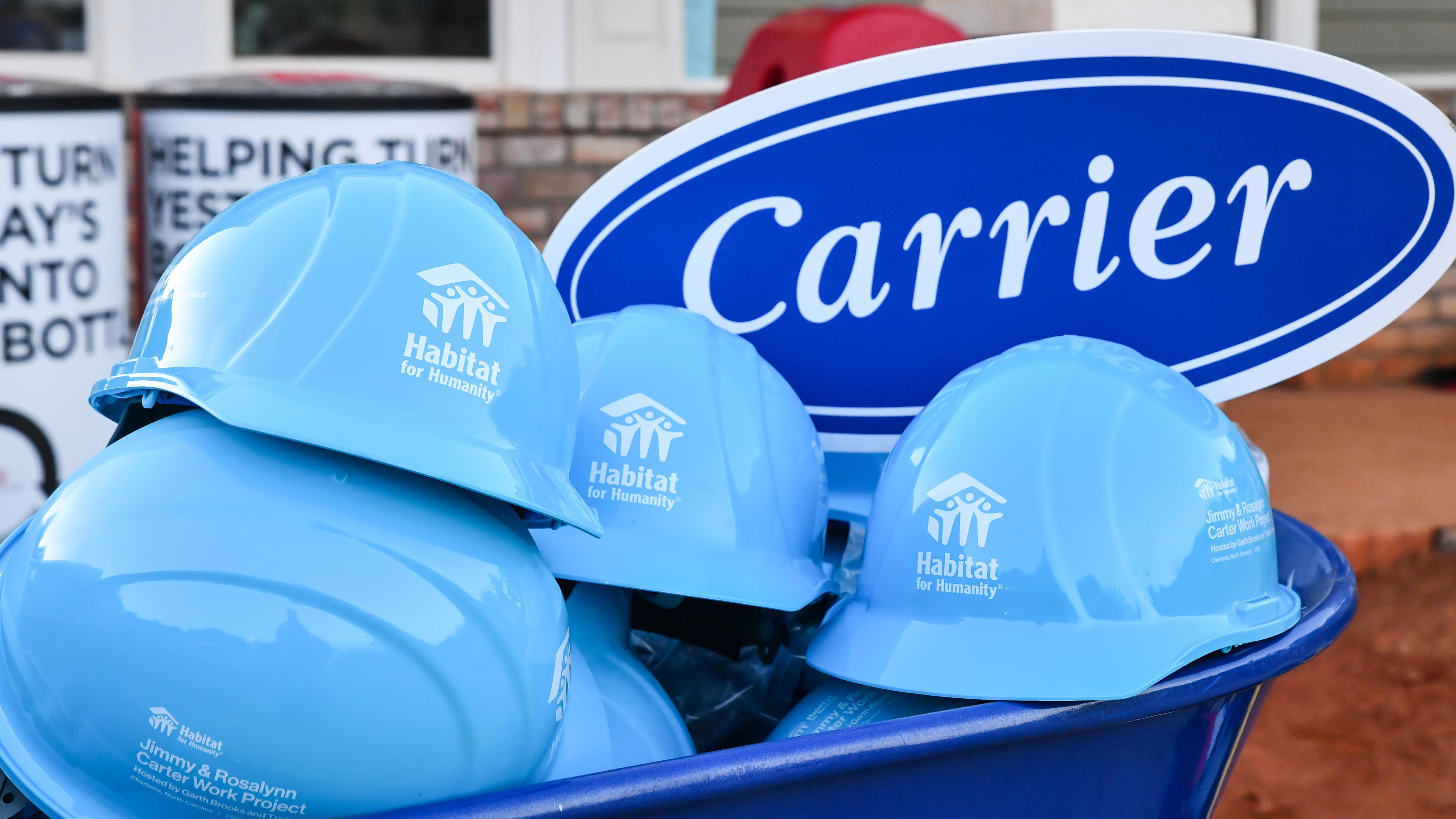
The convening was made possible through support from Carrier Global Corporation, a global leader in intelligent climate and energy solutions. Building upon its longstanding partnership with Habitat for Humanity International, Carrier is helping expand access to energy-efficient and resilient housing solutions that can better withstand natural disasters while remaining affordable for Habitat homeowners.
"Resilient and affordable housing goes hand in hand," said Brandon Dixon, Executive Director of Alabama Habitat. "The ideas, partnerships, and practical solutions shared during this convening will help Habitat affiliates strengthen their ability to serve families while reducing long-term housing costs and improving community resilience."
As Alabama Habitat continues supporting 21 Habitat affiliates serving 38 counties across the state, the organization remains committed to advancing innovative housing solutions that improve affordability, resilience, energy efficiency, and sustainability for families across Alabama.
About Alabama Habitat
Alabama Habitat serves as the statewide support organization for 21 Habitat for Humanity affiliates serving 38 counties across Alabama. Through resource development, training and technical assistance, disaster response, advocacy, and partnership development, Alabama Habitat helps affiliates expand their impact and increase access to safe, affordable housing opportunities throughout the state.